Learn what shapes fence replacement estimates, from material and length to removal, gates, posts, and access, and prepare a clearer project request.
If you are researching the cost to replace a fence, the most useful first step is to define the work rather than rely on a single per-foot figure. A replacement estimate depends on the fence you want, the condition of the existing structure, the site, and what needs to happen around gates, posts, and cleanup. This guide explains how to prepare a clear request without assuming a price before the project is assessed.
Why can’t one price fit every fence replacement?
Two fences with similar lengths can involve very different work. One might have a straight, open run and accessible posts. Another may have multiple corners, a sloped boundary, tight access, an old fence to remove, or gates that need to be rebuilt. The selected material and the details of the finished fence also affect the scope.
That is why an online average is a poor substitute for a project-specific estimate. It may describe a different region, material, height, labor scope, or removal plan. It may also omit gates, disposal, difficult ground, or finishing details. Instead of trying to force your project into a generic number, make sure the estimate request describes the actual fence and the result you want.
AllFix uses a free-estimate model rather than publishing standard project prices. The estimate process is intended to clarify the proposed work and pricing for the job in front of you. If the fence is one part of a broader property repair, you can also review AllFix handyman services and ask which needs can be considered together.
How does fence length affect the estimate?
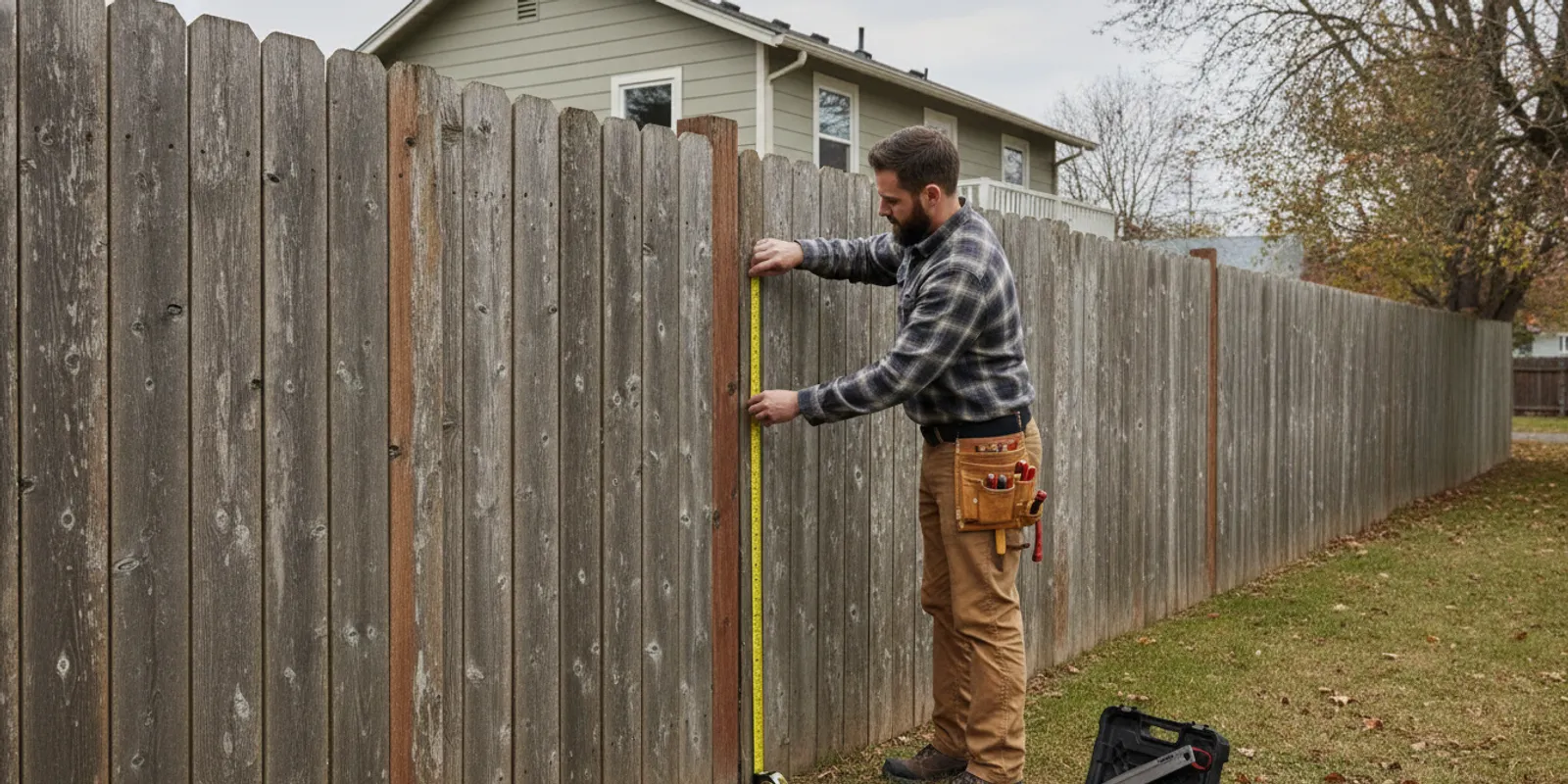
Length is an important starting point because it helps describe how much fencing is involved. Before contacting a contractor, sketch the fence line and note the approximate length of each straight section. Mark corners, changes in direction, gates, and any point where the fence starts or ends against a building or another structure.
A rough measurement is still useful if you do not have survey equipment. Label it as approximate instead of presenting it as an exact construction measurement. Do not assume the property boundary based only on an old fence. If the boundary is uncertain, identify that question early and confirm what information is needed before work is planned.
Length by itself does not describe the whole job. A long, straight run can be simpler to plan than a shorter fence with several corners or changes in elevation. The number and layout of the posts, the ground conditions, and access to each section all help determine the work involved. Photos of the full line and closer views of unusual sections can make an initial conversation more useful.
Which material and design choices matter?
The material affects the appearance, construction details, and future care of the fence. Wood, metal, vinyl, and other fencing products are not interchangeable. Each has its own look, components, installation considerations, and maintenance needs. Availability and compatibility with the existing fence may also affect which options are practical for your project.
Decide what matters most before choosing a product. For example, you may prioritize privacy, a specific appearance, a boundary for a yard, or a design that fits other features on the property. These goals can point toward different styles and layouts. If you have a preferred material, include it in your request, but be open to discussing alternatives if the site or existing conditions create a limitation.
Be specific about the finished design. Note the approximate height, whether you want open or close-set sections, the type of top edge, and whether the fence should match a neighboring run. If you are replacing only part of a fence, say whether the new section needs to blend with what remains. A mismatch in color, style, or dimensions may be noticeable even when the new work is sound.
Finish details belong in the project discussion, too. If a material needs a particular finish or treatment, ask what is included, what product or approach is proposed, and whether any care is expected after installation. Do not assume a finish is part of the scope unless the estimate says so.
What should you know about removing the old fence?
Replacement can mean more than installing a new fence. The existing fence may need to be taken down, separated from posts, moved out of the work area, and hauled away. Ask whether the estimate includes removal and disposal, or whether it covers installation only. That simple distinction helps you compare proposals on the same basis.
Describe the existing fence honestly. Mention sections that lean, boards or panels that have fallen, posts that appear loose, and any areas that are difficult to reach. Do not dismantle or dig around a damaged fence just to prepare for an estimate. If you are unsure whether some part can remain, point it out and ask for it to be assessed.
Also identify anything that could affect removal. Examples include vegetation growing through the fence, stored items along the line, a narrow route to the backyard, or nearby features that need protection. These details help the contractor understand the work area. A clear discussion can also establish what cleanup is included and what condition the yard should be in when the job is complete.
How do posts, ground conditions, and slope affect the work?
Posts support the fence, so their condition and placement matter. In a replacement, the contractor may need to assess whether old posts can be removed, whether post locations can be reused, and what is needed for the proposed layout. Do not assume that new panels can simply be attached to old posts or that every existing footing will be suitable for the replacement.
Ground conditions are another part of the site assessment. Hard or uneven ground, roots, rocks, and changes in grade can make the work differ from a level, clear run. A fence on a slope may need a design that follows the grade or steps between sections. The right choice depends on the site and the look you want, so ask how changes in elevation will be handled rather than assuming the line can remain level.
Point out visible concerns when requesting an estimate. Mention a retaining edge, mature plants, irrigation components, or other features close to the fence line. These are not proof that a problem exists; they are useful site details for planning. If the route or boundary is unclear, ask what needs to be confirmed before work begins. The estimate should distinguish known work from conditions that still need assessment.
What do gates and access add to the project scope?
Gates are often more complex than a fixed section because they need to open, close, and line up with their hardware and posts. Count each gate and note its approximate width and location. Describe how it is used, such as regular foot access or a wider opening, and whether the current gate has sagged, binds, or does not latch properly.
Clarify whether you want to reuse a gate, replace it, change its size, or add a new opening. A gate change can affect adjacent sections and post placement. Ask whether the estimate includes hinges, latches, and other hardware, and whether those items are new or reused. The scope should make clear what will be installed rather than leaving the hardware implicit.
Access to the work area also matters. Note narrow side yards, steps, locked gates, pets, parked vehicles, or other conditions that could affect how materials and tools reach the fence line. If there is a preferred route or a time when access is available, include that information. Clear access notes can help the contractor plan the visit and identify questions before the work is scheduled.
What should a fence replacement estimate spell out?
When reviewing an estimate, look for a scope you can understand and compare. It should describe the general fence layout and material, the approximate quantity or sections involved, and the work included. Depending on your project, ask whether the following items are addressed:
- Removal of the old fence and disposal of the removed material.
- New posts, panels, rails, boards, or other components included in the work.
- Gate locations, sizes, hardware, and any requested changes.
- How corners, slope, transitions, and connections to existing sections will be handled.
- Any finish or cleanup included in the described work.
- Site conditions that remain uncertain and how they will be discussed if discovered.
Compare estimates based on the included work, not only on the final number. One proposal may include removal and disposal while another may not. A difference in material, gate hardware, layout, or finish can also make two totals hard to compare. If something is unclear, ask the contractor to explain or revise the written scope before agreeing to the work.
Ask how changes will be handled if the actual site conditions differ from what was visible during the estimate. Also confirm the anticipated sequence, access expectations, and any responsibilities for moving stored items or protecting nearby features. These details help prevent assumptions on both sides.
How can you prepare a useful estimate request?
A short, organized request saves time and gives the contractor a clearer starting point. You do not need a final design or perfect measurements. Gather the basics and identify what you do not yet know.
- Describe the property and location. Share the project address or service area and explain where the fence is on the property. AllFix is based in Moses Lake and serves Grant County, Adams County, and Spokane County; use the service-area page or ask directly to confirm whether your specific project location is served.
- Explain the goal. Say whether you want to replace the full fence or only certain sections, and what you want the new fence to accomplish.
- Share approximate dimensions. Estimate the length, height, number of gates, and any major changes in direction or slope. Mark uncertain measurements as estimates.
- Identify preferred materials and appearance. Include a reference photo or describe the style, while noting if you are open to alternatives.
- Document current conditions. Take wide photos of the fence line and close-ups of damage, gates, posts, tight access, and nearby features.
- List questions. Ask about removal, disposal, hardware, finish, cleanup, and unresolved site conditions.
Photos should show context as well as detail. A picture of the whole run helps explain its shape, while close views can show a gate, a leaning section, or an obstacle. Avoid moving heavy objects or entering an unsafe area to take a photo. You can also share a simple sketch with approximate measurements if that is easier.
For examples of completed work and project details, visit the AllFix project gallery. A gallery image can help explain a style you like, but it does not establish that every pictured feature suits your property or is included in your estimate.
What should Washington property owners check before hiring?
Before choosing a contractor, confirm that the proposed scope matches your project and ask what credentials or registration information is relevant. Washington’s Department of Labor & Industries provides contractor-related resources on its official website. Use the state’s current resources to find applicable guidance and verification tools rather than relying on assumptions or an old online listing.
AllFix describes itself as a locally owned, licensed, bonded, and insured contractor serving Grant County, Adams County, and Spokane County. Fence work is part of the company’s handyman services, but service availability can vary by location. Confirm that the requested work and your address fit the service being discussed. You can also review the handyman service details before sending your request.
Get the scope in writing and ask questions before work begins. A useful estimate makes clear what is included, what remains uncertain, and how any change will be discussed. If your fence project is connected to other property repairs, explain that early so the team can clarify whether the requests can be reviewed together.
How do you make a sound decision without relying on a generic price?
Start by comparing like with like. Confirm that each estimate describes the same approximate length, material, layout, gate work, removal, disposal, and finish. Note any difference in assumptions about slope, posts, access, or cleanup. Ask for clarification where the descriptions do not match instead of treating a lower total as automatically equivalent.
Then decide which features are essential and which are preferences. A clearly defined priority list makes it easier to discuss alternatives if a design needs to change for the site. For example, state whether matching an existing section is more important than selecting a different material, or whether a particular gate opening is necessary for access. The contractor can explain the options that fit the observed conditions and scope.
AllFix offers free estimates, so you can describe the project and ask what information will help assess it. Use the contact page to send the details or request a conversation. For homeowners weighing fence work alongside indoor repairs or renovation, the remodeling page explains another part of the company's residential service offering; discuss each need separately so the estimate reflects the right scope.
Get a free estimate for your fence project
Frequently Asked Questions
Can I estimate the replacement cost by measuring fence length alone?
Length helps describe the project, but it does not account for material, height, gates, removal, posts, ground conditions, slope, or access. Use an approximate measurement as one part of a complete project description, not as a stand-alone price calculation.
Should the estimate include removal of the old fence?
Ask directly. Removal and disposal may be separate from installing the new fence, so the written estimate should state whether those tasks are included. If you want to keep any old materials, mention that before the scope is prepared.
Do I need to choose the exact fence material before requesting an estimate?
No. A preferred material or style is helpful, but you can explain your goals and ask about options. The site, layout, and condition of existing sections may affect what is practical. Make sure the final proposal identifies the material and design being priced.
Can an existing gate or posts be reused?
Possibly, but their condition, fit, and compatibility with the new fence need to be assessed. Point out what you hope to reuse and ask for the estimate to identify whether it is included or whether new components are proposed.
What if I do not know the property boundary?
Do not assume the old fence marks the exact boundary. Explain the uncertainty when requesting an estimate and ask what information should be confirmed before the layout is finalized. The work plan should not depend on an unverified assumption about where the boundary lies.
A clear fence replacement request sets realistic expectations: describe the line, material, gates, removal, and site conditions, then compare estimates that cover the same scope. With those details in hand, you can discuss the work and request a free estimate based on your property rather than a generic figure.
Tell Us About Your Project
Fill out the form below and we'll contact you within 1 business day.