Learn what affects drywall repair cost, from damage size and access to texture and paint, and what to share when requesting a clear free estimate.
Drywall repair cost depends on the work needed to leave the wall sound and ready for the intended finish—not just the visible size of a hole. A small puncture may call for a simple patch, while damage near a corner, a ceiling, or a previous repair can require more preparation and finishing. For homeowners and property managers in Grant and Adams Counties, understanding those factors makes it easier to request and compare a useful estimate.
Request a Free Drywall Estimate
What affects drywall repair cost most?
There is no dependable price based on a photo or hole measurement alone. The estimate reflects the full scope: what must be removed, how the patch will be supported, how many finishing steps are needed, and what surface must be blended afterward. A contractor may need to inspect the area to understand those details.
- Size and shape: A clean, small puncture differs from a broad, irregular opening or a long crack.
- Location: A repair on a flat wall is not the same as one on a ceiling, outside corner, or tight area around fixtures.
- Underlying condition: Loose edges, damaged backing, or a recurring crack can add preparation before a patch is ready.
- Finish expectations: Smooth surfaces and textured surfaces require different blending approaches.
- Painting scope: A repair may need spot paint or broader wall painting for a consistent appearance, depending on the existing finish.
How does the size and type of damage change the work?
Small nail holes or shallow dings may need limited filling and sanding. A hand-sized hole generally requires a more substantial patch and careful finishing. Larger openings may need backing and a cut patch secured in place before joint compound and finishing work begin.
Cracks need a different assessment. A hairline crack may be a surface issue, but a crack that returns, widens, or follows a seam may indicate movement or a weak joint. Simply covering it can leave the visible problem to reappear. Tell the estimator whether it has changed over time and whether you have noticed nearby damage.
Water-damaged drywall deserves particular care. The wall should not simply be covered while the source of moisture remains unresolved. The repair scope can depend on how much material is affected and whether adjacent areas also need attention. North Dakota State University Extension discusses the cleaning and repair of flood-damaged walls and ceilings, including drywall compound in plaster patching: guidance on repairing flood-damaged interior surfaces. That resource is not a substitute for assessing the specific cause or condition in your home.
Why do access and placement matter?
Repairing a wall at floor level is often more straightforward than working overhead. A ceiling repair may involve safe access equipment and positioning that changes the time and setup. Corners, narrow spaces, and areas near electrical devices or plumbing fixtures may also need extra care to avoid damaging surrounding finishes.
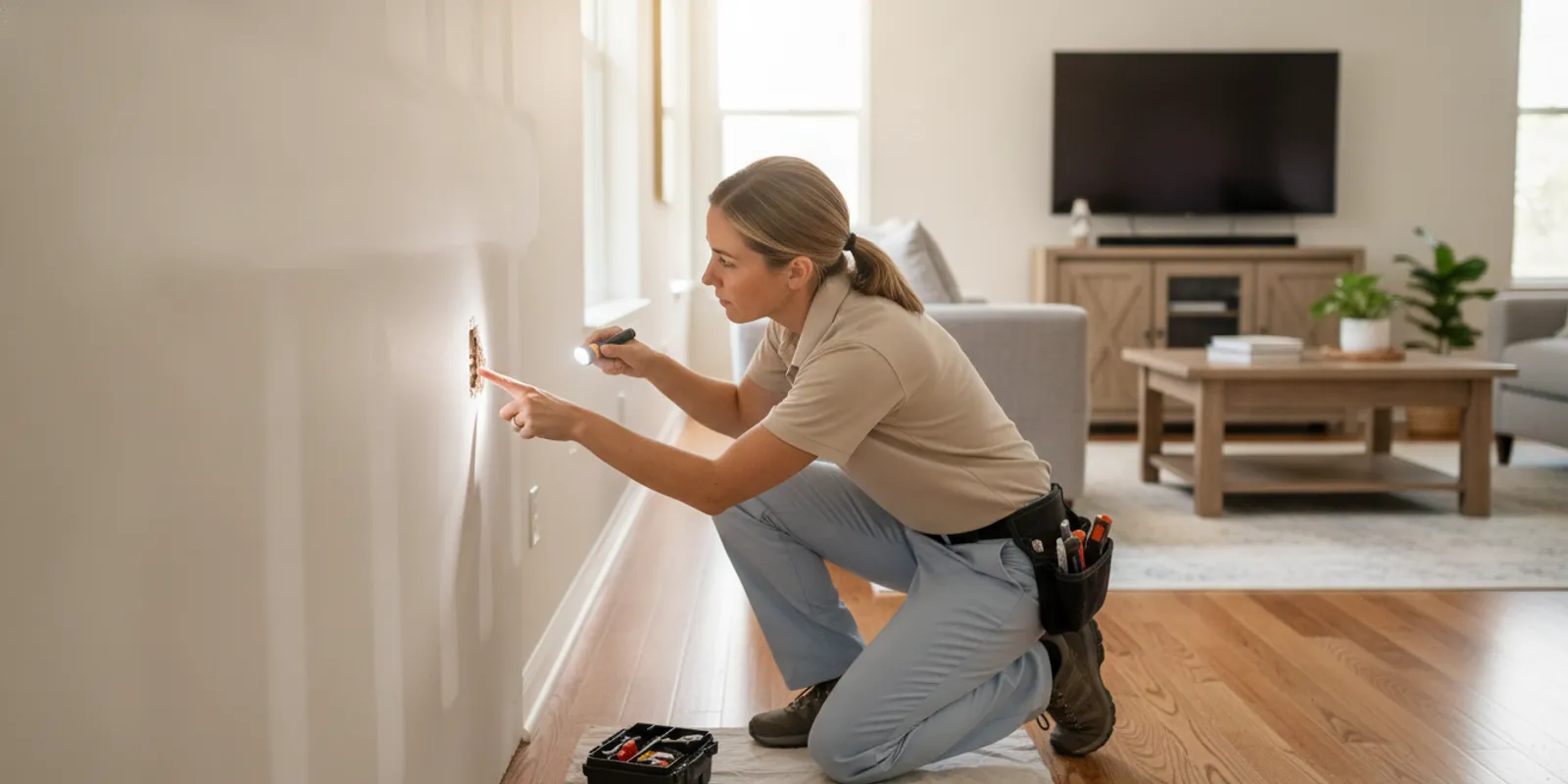
Share what is around the damaged area when you request an estimate. Mention if furniture blocks access, if the repair is above a stairway, or if the damaged surface continues into another room. A few clear photos from different angles can help explain the situation, though an on-site review may still be needed to confirm the scope.
How do texture and paint affect the finished result?
A patch can be structurally sound and still stand out if its surface does not blend with the surrounding wall. Smooth walls, orange-peel texture, and other finishes call for different techniques. Existing texture may have faded or been painted over, so matching it can require judgment and trial work.
Paint introduces another decision. Touching up only the repaired spot may work when the wall color and sheen are known and the existing paint is in good condition. On an older or sun-exposed wall, a small paint area can look different from the surrounding surface. Ask whether the estimate includes patching and finish work only, spot painting, or painting a larger section. Do not assume those are all included in one scope.
What should you share when requesting an estimate?
Clear information helps a professional understand the job and prepare a relevant estimate. Before contacting a contractor, gather:
- The room and location of each damaged area.
- Approximate dimensions, measured across the widest points.
- Photos showing both a close view and the surrounding wall or ceiling.
- What happened, if known, and when you first noticed the damage.
- Whether the issue is changing, returning, or associated with moisture.
- The wall texture and your preferred finish or paint scope.
- Any access limits, such as a high ceiling or furniture that cannot be moved.
For several repairs, list each location separately instead of sending one total measurement. This helps clarify whether the work is a group of small patches or a larger coordinated repair. If you are a landlord or property manager, note whether the space is occupied and any scheduling constraints. AllFix provides handyman repairs and property maintenance; see the handyman services overview for the type of work handled.
How can you compare drywall repair estimates?
Compare the described work, not just the final number. Ask each provider to clarify the same points so you can tell whether the estimates cover similar results:
- Which damaged areas are included?
- Does the scope include removing loose material and preparing the opening?
- How will the patch be finished, and is texture blending included?
- Is painting included, and if so, what area will be painted?
- What assumptions depend on what is found after work begins?
- What preparation should you handle, and what should the contractor handle?
An estimate should make the boundary of the work understandable. If one proposal includes paint and another stops at a finished patch, they are not direct comparisons. Request clarification before choosing. AllFix uses a free-estimate model, with project pricing based on the work discussed and assessed.
When should you request a professional assessment?
Consider an assessment when the opening is large, the repair is overhead, cracks return, the wall feels soft, or moisture may be involved. A professional can review the affected surface and discuss the appropriate repair scope. Avoid treating a visible stain or damaged area as an isolated cosmetic issue until you understand whether the cause has been addressed.
AllFix is a locally owned, licensed, bonded, and insured contractor serving Grant and Adams Counties. Moses Lake is the primary service hub; availability can vary by location and service. Review the service areas or contact the team to confirm coverage. You can also learn about the company’s broader remodeling work if your wall repair is part of a larger interior project.
What can help plan a group of repairs?
When several rooms need attention, treat the list as a small project plan rather than a single large hole. Number each area, then note its room, approximate dimensions, height, and surface type. Include a photo of each repair alongside one wider view. This prevents an estimate from overlooking a hallway corner, closet wall, or ceiling mark simply because it was not prominent in the first photograph.
It also helps to separate confirmed damage from work you are considering. For example, identify the patch that must be repaired now, then separately mention whether you are evaluating paint or other interior updates. A contractor can then explain which work belongs in the immediate repair scope and which decisions can wait. If the repair is part of a broader project, AllFix’s remodeling services page provides an overview of its kitchen, bathroom, and basement work.
For rental properties, a simple room-by-room list can support coordination with tenants and help you group access needs. Record whether belongings need to be moved, whether the room can be cleared, and any times the space is unavailable. Do not assume that every repair can be completed in one visit; preparation and finish steps can depend on the materials and conditions found.
What should you clarify before work begins?
Before approving a project, make sure you and the contractor mean the same thing by “repaired.” One person may expect a sound patch ready for primer, while another expects the surface to be textured and painted. Spell out the intended endpoint in the estimate or discussion. Ask what happens if opening the damaged area reveals a larger affected section, and how any scope change will be discussed before additional work is done.
Confirm who will move nearby furniture, protect floors, and handle dust cleanup. For occupied homes, these practical details can matter as much as the patch itself. Ask whether the work area needs to remain unused between steps and whether the surface will be ready for paint immediately or after additional drying time. The answer depends on the materials and scope, so avoid relying on a generic timeline.
Keep a record of the agreed locations and finish expectations. If you are comparing estimates, use the same list and questions with each provider. That makes differences easier to spot and reduces the chance of choosing based on a total that covers a different amount of work.
How should you think about repair versus a larger update?
Not every damaged area requires a room refresh. A localized repair may be appropriate when the surrounding wall is sound and the finish can be blended to your expectations. A broader surface or paint project may be worth discussing when damage covers multiple areas or the existing finish is already uneven. The estimate conversation should distinguish necessary repair from optional improvements.
Consider how the room is used and what result matters most. In a rental turnover, a consistent, clean appearance may be the priority. In a living area, you may want to coordinate the repair with planned painting. If the wall is part of a kitchen, bathroom, or basement upgrade, discuss the sequence so drywall work fits the larger plan. AllFix handles handyman repairs and remodeling, allowing customers to explore related work with one local provider; the precise service and coverage should be confirmed for the property location.
How can you make a repair visit more efficient?
Once you have documented the damage and requested an estimate, a little preparation can make the assessment more useful. Clear a path to the wall or ceiling without moving anything heavy or unsafe on your own. If furniture must stay in place, point it out when arranging the visit so the contractor can understand the access limits. Keep pets away from the work area during the assessment and any later repair, and identify fragile items nearby.
Use a short, consistent description for each spot: “living room, six inches above the baseboard, about a foot wide, from a door handle.” Include what you know, but distinguish observation from guesswork. “The stain appeared after a leak” is more helpful than assuming the wall is dry or that the leak was the only cause. If you have photos from before the damage or after a plumbing issue, have them available to explain the timeline.
For multiple rooms, group the notes by floor or by access availability. A tenant may be available for one room in the morning and another later, while a homeowner may prefer to have one area assessed at a time. These details do not determine the repair method, but they help make the project conversation specific and reduce avoidable back-and-forth. The final scope should still be based on the actual surface and agreed finish, not just the notes or photographs.
What details can change after the damaged area is examined?
A visible hole shows only the exposed surface. Once loose material is removed or an edge is checked, the contractor may find a patch needs a different size or support than first expected. A crack that appeared to be a simple surface line may extend along a seam. These are reasons to clarify how estimates handle unknown conditions rather than treating an early photo as a guarantee of the full repair scope.
Ask what will be explained before work expands beyond the agreed area. For example, if more material appears damaged than the original opening suggested, you can discuss the additional work and the revised finish before proceeding. This is especially useful when coordinating a rental repair or planning several jobs at once. Keep the original list and any updated scope together so everyone is working from the same understanding.
There can also be a difference between making a repair functional and achieving a particular visual match. Existing paint may have aged, and texture may vary across a wall. If a nearly invisible blend is important, say so before the work is defined; the contractor can discuss what finish work is included and whether a wider painted area should be considered. That conversation helps set realistic expectations without assuming every old surface can be matched perfectly.
For homeowners in Grant and Adams Counties, a useful estimate begins with accurate details and a clearly defined finish. AllFix offers free estimates and asks customers to contact the team to discuss the specific work; its contact page provides the appropriate next step.
Frequently Asked Questions
Can you estimate drywall repair cost from a photo?
Photos can show the location and visible size of damage, but they may not reveal loose backing, hidden moisture, or the finish needed to blend the patch. Use photos to begin the conversation; a site assessment may be needed to confirm the scope.
Does a drywall estimate usually include paint?
Not necessarily. Ask whether the written scope includes only patching and finishing, spot paint, or painting a wider area. The right scope depends on the existing paint and the match you want.
Should water-damaged drywall be patched right away?
First understand and address the moisture source. The amount of affected material and the condition of nearby surfaces can influence what should be removed and repaired. A professional assessment can help define the work.
What is the best way to prepare for an estimate?
Provide clear photos, approximate measurements, the location, what caused the damage if known, and any details about recurring cracks or moisture. Mention your desired finish and paint scope so the estimate addresses the result you expect.
Drywall repair cost is best understood through a clear scope that accounts for damage, access, finish, and paint. Sharing those details helps you have a more useful conversation and decide on a repair plan that fits the space.
Tell Us About Your Project
Fill out the form below and we'll contact you within 1 business day.