Learn the warning signs of electrical panel trouble, what details to note, and what to ask a licensed electrician before repair or replacement.
Electrical panel repair can be the right response to a loose connection, worn component, or another localized fault, but the cause is not always visible from outside the panel. If breakers trip repeatedly, lights flicker, or you notice unusual heat or sounds, avoid guessing at the problem. A licensed electrician can assess the panel and explain whether a repair, broader correction, or replacement should be considered.
Get a Free Electrical Estimate
What does electrical panel repair involve?
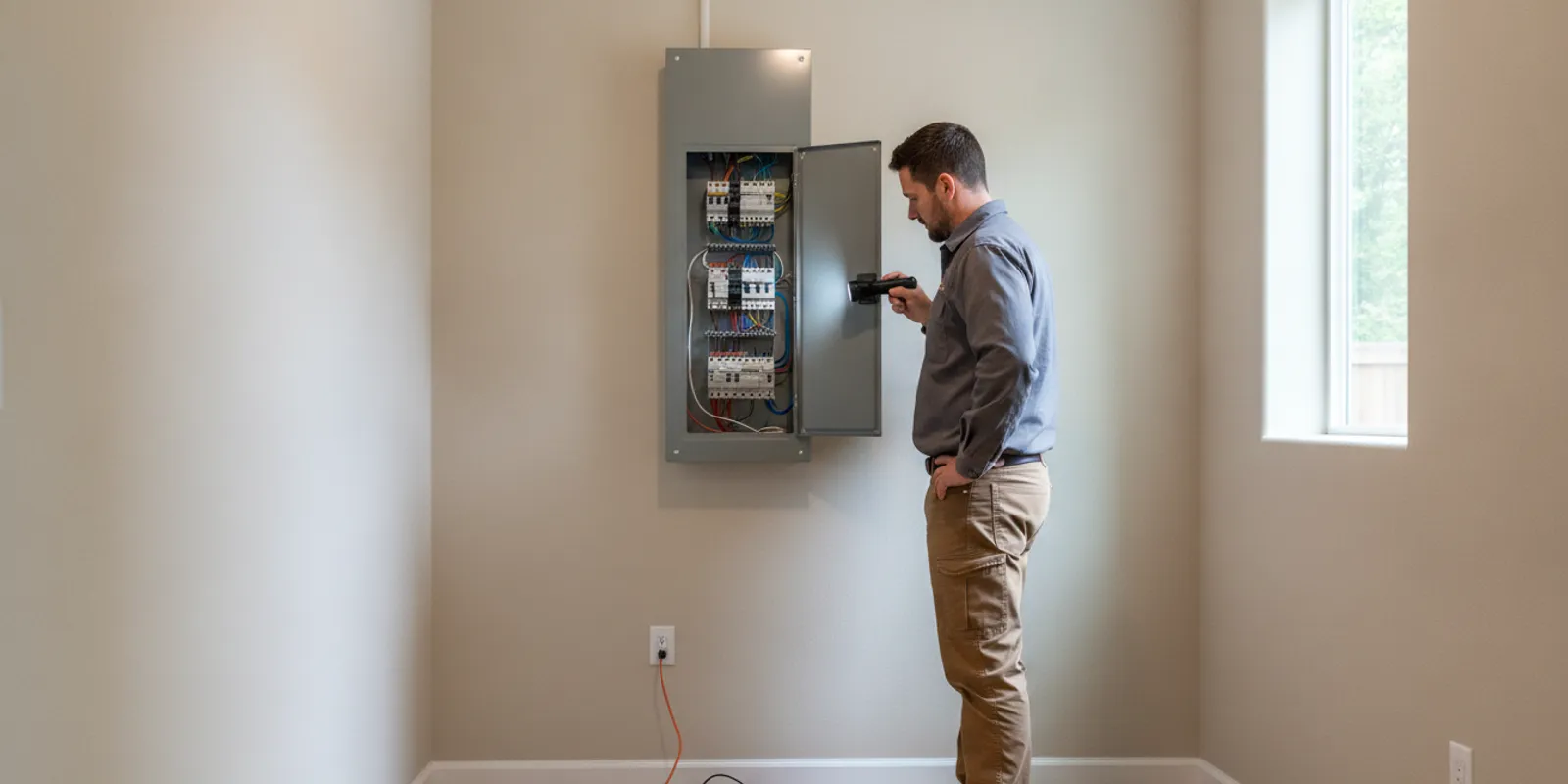
A residential electrical panel distributes power to circuits throughout a home. Its breakers are designed to interrupt power when a circuit is overloaded or when another condition causes a breaker to trip. A panel concern may involve a breaker, a connection, a bus component, the enclosure, or an issue elsewhere on a circuit. Symptoms that appear to come from the panel can also originate in wiring, a switch, an outlet, or an appliance.
That is why a repair should start with diagnosis, not an assumption about which part needs replacing. The electrician will evaluate the reported symptoms, inspect relevant equipment, and determine what work is appropriate. Some issues may be limited and repairable. Others may involve damage, age, capacity, or a condition that makes replacement a better option. The right recommendation depends on what an in-person assessment finds.
For a general overview of AllFix’s residential electrical work, visit its residential electrical services page. Electrical work discussed here is for homes; this is not a guide to commercial or industrial panels.
Which signs may point to a panel or circuit problem?
One symptom alone does not confirm a panel failure. Notice patterns and changes, and share them with the electrician. Examples include:
- A breaker trips more than once. A trip can indicate an overloaded circuit or a fault. If the same breaker keeps tripping, do not treat repeated resetting as a fix.
- Lights dim or flicker. A change that happens in several rooms or when equipment starts may deserve evaluation. Flickering can also have causes outside the panel.
- Power cuts out in one area. Note whether outlets, lights, or appliances on the same part of the home are affected.
- You hear buzzing, crackling, or popping near electrical equipment. Unusual sounds should be reported rather than investigated by opening the panel.
- You notice a burning odor, smoke, sparks, or visible damage. These can signal an urgent hazard. Keep away from the panel and do not touch it. If there is smoke or fire, leave the area and contact emergency services.
- The panel or nearby surface feels unusually warm, or you see discoloration. Do not touch or remove anything to check further. Tell the electrician what you observed and where.
Do not wait for a particular number of symptoms before asking for help. A repeated or worsening change, a burning smell, visible damage, or unusual sound is enough reason to seek qualified evaluation. For general consumer electrical-safety information, the U.S. Consumer Product Safety Commission provides safety resources.
What should you do when you notice a warning sign?
Start by keeping a safe distance from equipment that is smoking, sparking, making unusual sounds, or giving off a burning odor. Do not remove the panel cover, touch exposed wiring, insert tools, or try to tighten connections. Do not repeatedly reset a breaker that trips again. Those actions can expose you to shock or make a dangerous condition worse.
If there is smoke or fire, leave the home and call emergency services. For other concerning symptoms, contact a licensed electrician and describe what is happening. If you are unsure whether a situation is safe, do not approach the panel to investigate. Keep children and others away from the affected area while you arrange professional guidance.
Some symptoms may appear intermittent. A problem that goes away before the appointment still matters. Record when it happened and what was running at the time rather than trying to recreate it. Do not unplug, move, or operate equipment if doing so would require going near a hazardous area.
What information can you safely gather before an assessment?
Useful observations help an electrician understand the issue without asking you to do electrical work. From a safe location, note:
- What happened: for example, a light flickered, a breaker tripped, or power went out in a room.
- Where it happened: identify the room or area and the equipment affected, if you know.
- When it began: note the date or approximate time, whether it has happened once or repeatedly, and whether it is getting worse.
- What was in use: list appliances or other equipment that were operating when the symptom occurred, without turning them on again to test.
- What you observed: note any odor, sound, warmth noticed without touching, visible discoloration, or loss of power.
- Any recent changes: mention new appliances, recent electrical work, remodeling, or changes in how the affected area is used.
A photo may help document a visible condition if you can take it without approaching or touching the panel or damaged equipment. Do not remove a cover to get a better picture. If the location does not feel safe, skip the photo and simply describe what you can see from a distance.
It can also help to identify the home’s age, approximate panel location, and any prior assessment or repair paperwork you already have. You do not need to diagnose the problem, identify components, or determine the panel’s capacity. Leave those tasks to the professional.
If you own or manage a property with more than one affected area, make a simple list of each location and the symptom reported there. Keep observations separate instead of assuming that every outage has a single cause. If a tenant or another household member first noticed the issue, ask them to describe what happened in their own words, including approximate timing and any changes since then. This can help avoid losing useful details when the person arranging the estimate is not the person who experienced the symptom.
For a planned visit, make sure the electrician knows where the panel is and whether access arrangements are needed. Do not move equipment, remove stored items from a questionable area, or make other changes if doing so would bring you close to a hazard. You can relay access constraints when requesting the appointment and ask how the area should be handled.
What happens during a professional panel assessment?
The first step is to understand the symptoms and their pattern. The electrician may ask which areas are affected, how often the problem occurs, and whether it coincides with particular equipment or recent work. Clear observations can help focus the evaluation, but they do not replace inspection.
The electrician then evaluates relevant parts of the residential electrical system using appropriate professional methods. The assessment may consider the panel’s condition, the affected circuits, signs of damage, and whether the reported problem could be elsewhere. The exact scope depends on the symptoms and what can be observed safely.
After diagnosis, ask the electrician to explain the finding in plain language. A useful discussion should cover what was found, what work is recommended, why that work addresses the issue, and whether there are other options. If a repair is appropriate, ask what it will correct and whether any related condition remains. If replacement is recommended, ask what condition or limitation makes repair unsuitable. A clear estimate should describe the proposed scope before work begins.
Ask how the electrician connected the symptoms you reported to the recommended work. For example, if the original concern was that power dropped in one room, ask whether the assessment found a cause in the panel, the circuit, or another part of the system. This helps you understand whether the recommendation addresses the observed problem or also includes other work. If there is more than one issue, ask which items are part of the immediate concern and which are separate improvements.
Before scheduling, confirm practical details that affect the visit and the work. Explain how the electrician can access the panel and whether the affected room is occupied or used for a particular purpose. If you are a landlord or property manager, share the tenant’s description of the symptom, the time it was reported, and any prior service records you have. Do not ask a tenant to open the panel, test wiring, or recreate a hazardous condition. Keep the account factual: what was reported, when, where, and whether the condition is ongoing.
After the assessment, keep the written estimate and any notes about the recommendation with your property records. If the work is not scheduled right away, ask what precautions are appropriate while you wait and what change should prompt you to contact the electrician sooner. Those instructions should be based on the condition the electrician actually found, rather than a general online checklist. If symptoms change before work begins, report the change rather than assuming the original assessment still covers it.
AllFix is a locally owned, licensed, bonded, and insured contractor serving Grant County and Adams County, Washington, with Moses Lake as its primary service hub. Electrical service availability and scope vary by location. You can check the service-area information and contact the team to confirm whether the specific work is available where you live.
When might repair be considered instead of replacement?
Repair and replacement are not interchangeable recommendations. A localized fault may be repairable when the electrician determines that the affected component can be addressed safely and the remaining equipment is suitable for continued use. Replacement may be considered if the assessment finds broader damage, a condition that cannot be corrected reliably with a limited repair, or other concerns that make keeping the existing panel inappropriate.
Do not choose between the two based only on a symptom, the panel’s appearance, or a general rule about age. A panel that looks ordinary can still have an issue, while a symptom that seems serious may originate outside the panel. The electrician’s diagnosis, the condition of the equipment, and the needs of the home shape the recommendation.
Ask for the reasoning behind the proposed work. If the recommendation is replacement, you can ask what was inspected, what specific concern was found, and whether a repair was considered. If repair is proposed, ask what it addresses and what signs would mean you should contact the electrician again. The goal is to understand the scope and make a decision based on the actual condition, not to insist on one option before diagnosis.
It is reasonable to ask for the recommendation and estimate in writing so you can review the scope carefully. Check that the document describes the work being proposed and identifies any limits or separate items that were discussed. If you have questions, ask them before approving the work. A useful estimate should help you understand the next step; it cannot replace the electrician’s explanation of the inspection findings.
What questions should you ask a licensed electrician?
Before approving work, use questions that clarify the problem, the proposed solution, and the next steps:
- What do you believe is causing the symptom, and what did the assessment show?
- Is the issue limited to the panel, or could a circuit, device, or appliance be involved?
- What work do you recommend, and what does that work include?
- Why is repair appropriate, or what makes replacement necessary?
- Are there related concerns that are outside this proposed scope?
- What should I do if the symptom happens again before or after the work?
- What will the estimate cover, and what would require a separate discussion or approval?
Ask for terms you do not understand to be explained. A written estimate helps make the recommended work and its boundaries clear. AllFix uses a free-estimate model; the assessment and scope determine what is included in a proposed project. To request an estimate, use the contact form and describe the concern as clearly as you can.
How does panel work fit into a larger home project?
Panel symptoms sometimes come to light while planning a kitchen, bathroom, or basement update, especially when the project changes how a space is used or adds electrical needs. Mention any electrical concern early in the planning conversation. Electrical evaluation and remodeling scope are related, but they are not the same task; have qualified professionals identify what work is needed before assuming it is covered in a remodeling plan.
If you are planning a broader indoor project, review AllFix’s remodeling services and ask how the project scope should be coordinated. For other general repair or maintenance needs around the home, the handyman services page describes that separate service area. Electrical panel work itself should be evaluated by a licensed residential electrician.
One local provider offering multiple property services can make it easier to discuss how related work fits together. Still, confirm which trade is responsible for each part of the project and whether that service is available at your location. AllFix’s service scope varies by area, and the estimate process is the way to clarify the proposed work.
Request a Free Electrical Estimate
Frequently Asked Questions
Can I open the electrical panel to check for a loose part?
No. Do not remove the panel cover, touch wiring, or try to tighten or replace components. Describe what you observed from a safe distance and have a licensed electrician evaluate it.
Should I reset a breaker that keeps tripping?
Do not repeatedly reset a breaker that trips again. A repeated trip can signal an overload or fault. Note what happened and contact a licensed electrician for guidance.
Does a flickering light mean the panel needs repair?
Not necessarily. Flickering can have several causes, including issues away from the panel. Note where it occurs, whether other lights or equipment are affected, and when it happens so the electrician can assess the likely source.
How do I know whether I need repair or a new panel?
You cannot reliably determine that from symptoms alone. An electrician should assess the equipment and explain whether the condition can be addressed with a repair or whether replacement is the appropriate recommendation.
What is the next step?
If a breaker trips repeatedly, lights change unexpectedly, or you notice unusual sounds, odors, heat, or visible damage, do not try to diagnose the panel yourself. Record what you can safely observe, keep clear of any immediate hazard, and ask a licensed residential electrician to assess the issue and explain the options.
Tell Us About Your Project
Fill out the form below and we'll contact you within 1 business day.